Encouraging Critical Thinking and Problem-Solving
• Technology-driven learning tools such as simulations, interactive apps, and coding platforms present students with complex scenarios that require analysis, experimentation, and decision-making. By working through these situations, students develop critical thinking and problem-solving skills that are vital for creating solutions in various aspects of society.
• Tools like AI, machine learning models, and data analytics give students opportunities to analyze data and identify patterns, preparing them for roles in fields that rely heavily on analytical skills, like healthcare, environmental science, and engineering.
Promoting Real-World Application through Project-Based Learning
• Project-based learning, often enhanced through technology, allows students to work on projects that mimic real-life issues—from developing sustainable business models to building community-centric apps. By integrating digital tools for research, prototyping, and presentation, students can see how theoretical knowledge translates into practical solutions.
• 3D modeling, virtual labs, and robotics kits let students create tangible products or systems, encouraging innovation and practical application.

Facilitating Collaboration and Communication Skills
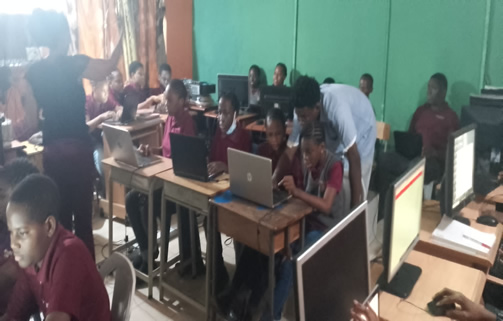
• Technology platforms enable students to work on group projects across locations, fostering collaborative skills essential for any solution-oriented role. Video conferencing, shared digital workspaces, and project management tools help students learn how to communicate effectively, delegate tasks, and work as a team to reach common goals.
• Collaboration with peers globally introduces students to diverse perspectives, enriching their approach to solving problems and preparing them for a connected world.
Building Technical Skills and Digital Literacy
• From coding and app development to understanding cybersecurity, digital literacy empowers students with tools to create solutions using technology. For example, students can learn to build websites, design user-friendly applications, or leverage AI tools to solve specific issues, preparing them to meet demands in a tech-driven world.
• Early exposure to technical skills enables students to become familiar with emerging technologies, making them more adaptable and capable of using new tools to address complex problems as they arise.
.


Personalized Learning and Self-Paced Growth
• With tools like AI-driven personalized learning platforms, students can work on areas that challenge them individually, creating a sense of ownership and accountability in their learning. This helps them develop the perseverance and independent thinking necessary for becoming proactive problem solvers.
• Self-paced learning encourages students to take initiative and explore beyond the curriculum, often leading to solutions based on interests and passions, from environmental activism to entrepreneurship.
.
Cultivating Entrepreneurial Mindsets
• Programs that teach students how to create digital products, develop business models, or even understand digital marketing encourage them to think like entrepreneurs. When combined with mentorship and access to global markets through the internet, students are empowered to turn their ideas into viable solutions.
• Exposure to technological entrepreneurship encourages them to identify gaps in the market or society, use technology to address these gaps, and develop the skills needed to manage projects from concept to implementation.
Enabling Access to a Global Knowledge Base
• The internet grants students access to unlimited resources, expert talks, research papers, and educational videos, allowing them to explore global challenges and understand different approaches to solutions. This exposure can inspire them to think beyond local issues and consider the global impact of their work.
• Access to online communities, coding forums, and virtual hackathons helps students learn from others worldwide, helping them stay updated on technological trends and new problem-solving methods.
.
Supporting Ethical Awareness and Social Responsibility
• Many technology-integrated education programs include training on ethical use of technology and digital citizenship, which teaches students to think about the social implications of their work. For example, using AI responsibly, considering data privacy, or working toward sustainability solutions.
• By fostering a sense of responsibility and an ethical approach to problem-solving, students are more likely to develop solutions that are not only innovative but also socially conscious and inclusive.